Engineered to withstand severe thermal contraction and high-impact stress in sub-zero industrial environments.
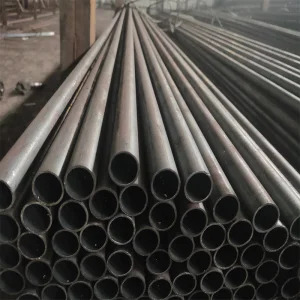
Guangzhou Flowtera Pipe Co., Ltd. is a specialized manufacturer of alloy steel pipes and stainless steel tubes, providing reliable industrial piping solutions for global engineering and infrastructure projects. Based in Guangzhou, a key industrial and logistics hub in China, the company integrates advanced manufacturing technology with efficient supply chain management to ensure consistent quality and timely delivery.
Established in 2011, Flowtera began as a regional supplier of standard steel pipes for construction and mechanical applications. By 2015, the company expanded into high-performance alloy steel and stainless steel piping, investing in modern production lines for seamless and welded tubes. In 2019, Flowtera further strengthened its capabilities by introducing precision testing equipment and automated inspection systems, enabling compliance with international standards and demanding project requirements.
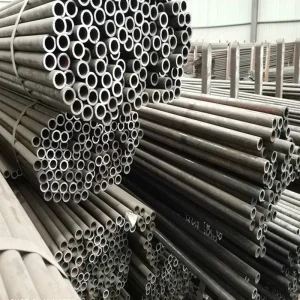
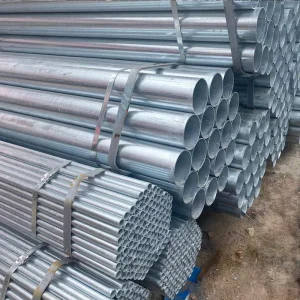
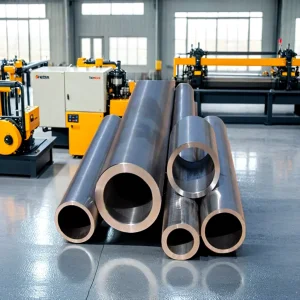
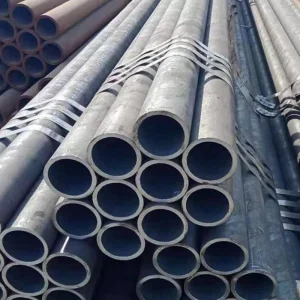
The company’s product range includes seamless alloy steel pipes, welded stainless steel tubes, duplex and super duplex pipes, as well as customized solutions for high-pressure, high-temperature, and corrosive environments. These products are widely used in industries such as oil and gas, petrochemical, power generation, shipbuilding, and construction.
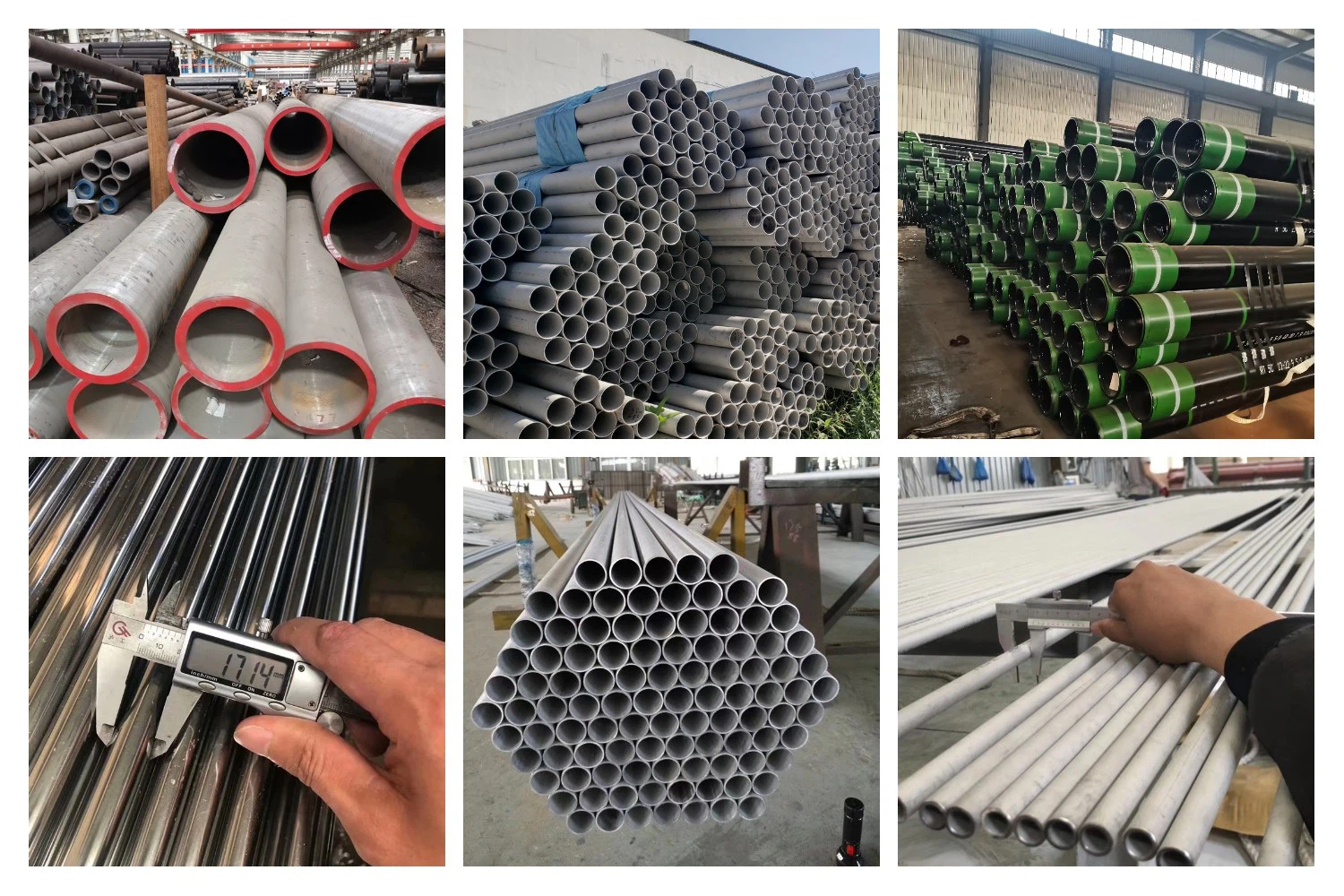
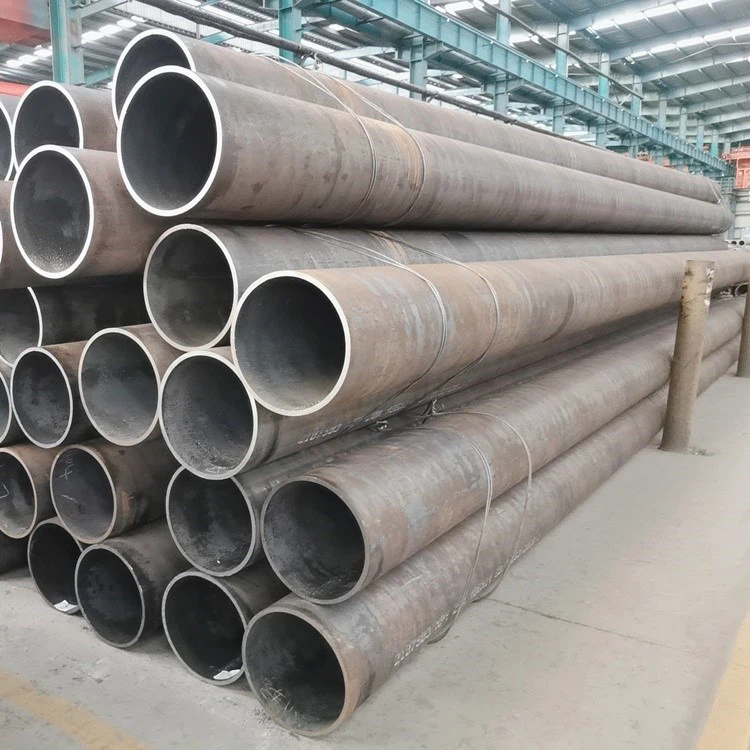
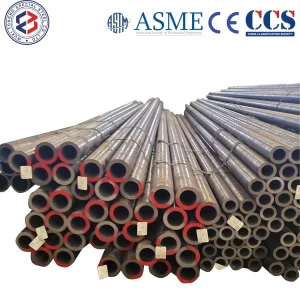
Guangzhou Flowtera Pipe Co., Ltd. operates under strict quality management systems and holds certifications including ISO 9001, with products meeting ASTM, EN, and DIN standards. Committed to innovation, safety, and customer satisfaction, Flowtera continues to serve clients worldwide with durable and cost-effective piping solutions.
For industrial operators, engineering contractors, and energy infrastructure projects in Georgia, Flowtera provides seamless logistical execution through direct shipping access, third-party inspection (TPI) options, and complete ASME / ASTM compliance documentation (MTRs to EN 10204 3.1/3.2).
Analyzing the strategic role of advanced alloy materials across Georgia’s expanding cryogenic energy, logistics, chemical, and industrial manufacturing ecosystem.
Georgia’s coastline, led by the Port of Savannah and Port of Brunswick, represents one of North America's fastest-growing maritime logistics nodes. The expansion of LNG bunkering infrastructure, ship-to-shore cryo-fuel transfers, and coastal gas terminal expansions requires piping capable of maintaining ductility under severe sub-zero thermal gradients.
From the industrial processing facilities around Augusta and Macon to the northern manufacturing hub near Atlanta, Georgia's chemical processors utilize low-temperature alloy pipes for ethylene production, industrial gas separation (oxygen, nitrogen, argon), and pressurized vessel loops operating down to -100°C.
As Georgia advances toward modern energy resilience, low-temperature alloy pipelines serve as a critical bridge for liquid hydrogen ($LH_2$) handling and sub-zero carbon capture, utilization, and storage (CCUS) projects, where standard carbon steel suffers severe embrittlement.
Understanding the physics of Ductile-to-Brittle Transition (DBTT) and low-temperature alloy selection for project engineers in Georgia.
In cryogenic and sub-zero mechanical engineering, structural piping must maintain high toughness and ductility under combined mechanical loading and severe thermal shock. Standard carbon steel undergoes a microstructural phase change at lower temperatures, transitioning from ductile deformation to catastrophic brittle fracture. Low-temperature alloy pipes are tailored with elevated Nickel (Ni), Molybdenum (Mo), and Chromium (Cr) contents, combined with fine-grain aluminum deoxidation processing, to depress the Ductile-to-Brittle Transition Temperature (DBTT).
For EPC contract specifications in Georgia, selecting the correct material designation is critical to meeting ASME B31.3 Process Piping Codes and OSHA safety mandates:
| Material Standard | Grade / Alloy Designator | Min. Service Temp | Key Metallurgical Characteristics | Typical Georgia Application |
|---|---|---|---|---|
| ASTM A333 / SA333 | Grade 6 (Seamless/Welded) | -45°C (-50°F) | Fine-grain carbon-manganese steel; normalized to guarantee Charpy V-Notch impact values of 18J min. | Standard sub-zero gas transport, midstream LNG plant tie-ins, industrial refrigeration. |
| ASTM A333 / SA333 | Grade 3 (3.5% Nickel Alloy) | -101°C (-150°F) | Nickel addition stabilizes the FCC grain structure, mitigating cleavage fracture initiation at deep cold temperatures. | Ethylene fractionation towers, liquid propane/butane storage systems, cryogenic processing. |
| ASTM A333 / SA333 | Grade 8 (9% Nickel Alloy) | -196°C (-320°F) | Double-normalized and tempered or quenched and tempered; exceptional fracture toughness in liquid nitrogen environment. | LNG marine storage tanks, liquid oxygen ($LOX$) transport, cryogenic containment loops. |
| EN 10216-4 | 26CrMo4-2 (1.7219) | -60°C (-76°F) | Cr-Mo low-alloy steel designed for elevated pressure resistance combined with low-temperature impact strength. | High-pressure hydraulic circuits, offshore module units, industrial boiler sub-assemblies. |
| ASME SB-166 | Inconel 600 / 601 / 625 | Cryogenic to +1093°C | Nickel-Chromium-Molybdenum superalloy with total resistance to chloride stress corrosion cracking and thermal fatigue. | Nuclear energy components, extreme chemical reactors, aerospace cryogenic fluid testing. |
| GB/T 8163 / Standard | 16Mn / Q345C/D/E & S700MC | -20°C to -40°C | High-strength low-alloy structural steel with fine vanadium/niobium carbide micro-alloying. | Heavy structural hydraulic piping, mobile equipment in sub-zero climates, high-stress supports. |
To comply with North American safety codes, every batch of Flowtera low-temperature alloy pipe undergoes stringent Charpy V-Notch (CVN) impact testing in accordance with ASTM A370. Impact testing is performed at or below the design temperature to ensure lateral expansion and absorbed energy requirements are fully satisfied before shipment to Georgia ports.
Delivering tailor-made low-temperature steel piping for specialized regional industrial environments.
With Savannah handling an increasing volume of chilled liquid gases and containerized chemical ISO tanks, Flowtera’s ASTM A333 Grade 6 and Grade 3 seamless pipes provide high dimensional accuracy, uniform wall thickness, and defect-free internal surfaces for low-friction cryogenic transfer lines.
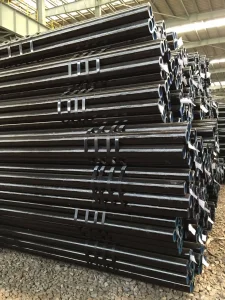
Industrial gas plants supplying oxygen, nitrogen, and argon to Southeastern healthcare and manufacturing facilities rely on our high-frequency low-temperature hydraulic oval and round pipes for heat exchanger loops, cold boxes, and expansion turbine piping.
Georgia’s timber and paper industries require specialized low-alloy pressure pipes, such as 26CrMo4-2 and Q345E seamless tubes, capable of resisting combined chemical exposure and thermal cycles in sub-zero chemical recovery stages.
Near regional nuclear power corridors, high-reliability materials like ASME SB-166 Inconel 600/601/625 seamless tubes are deployed in auxiliary cooling loops, heat exchangers, and extreme pressure boundary systems where failure is not an option.
Ensuring absolute structural integrity from steel billet smelting to final job-site delivery in Georgia.
Every pipe undergoes full-length Ultrasonic Testing (UT) for internal flaw detection, Eddy Current Testing (ET) for surface irregularities, and Hydrostatic Pressure Testing up to 100% of calculated SMYS to prevent in-service leakage.
Handheld XRF spectrographic analysis verifies chemical heat compositions (Ni, Cr, Mo, V contents) for every order, guaranteeing strict compliance with ASTM A333, EN 10216-4, or custom client spec sheets.
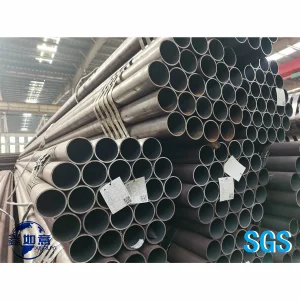
Material Test Reports (MTRs) compliant with EN 10204 Type 3.1 or 3.2 (with independent third-party witnessing such as SGS, BV, or Lloyd's Register) are supplied standard with all export shipments to Georgia.
Pioneering high-strength, low-temperature alloy formulations designed for the next era of industrial energy systems.
Flowtera is actively expanding its R&D initiatives toward ultra-high-purity vacuum induction melted (VIM) alloys. By controlling trace elements such as phosphorus and sulfur to under 0.005%, our thermal processing yields exceptional grain structure refinement, lowering the effective DBTT to below -200°C for cryogenic liquid hydrogen transport.
In addition, our technological developments include high-strength thermomechanically controlled process (TMCP) steels, such as S700MC low-temperature modified grades, which reduce overall pipe wall thickness requirements while maintaining high collapse resistance in deep-water marine applications near the Georgia coast.
Direct answers for piping engineers, procurement managers, and contractors operating in Georgia.
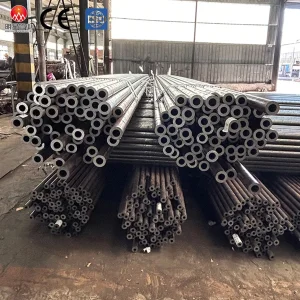
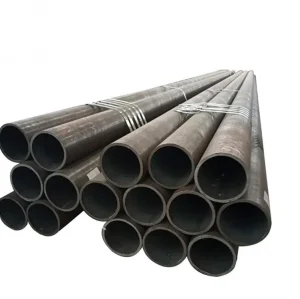
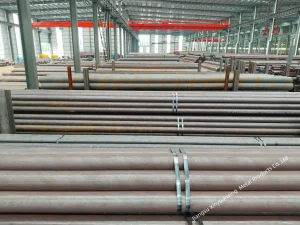
Explore our full range of certified seamless, welded, hydraulic, and structural alloy piping for sub-zero service.
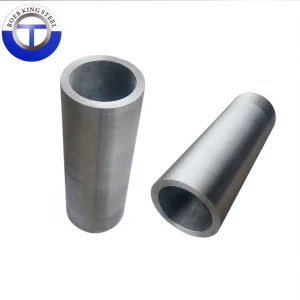
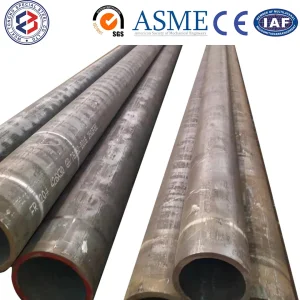
Looking for certified low-temperature alloy pipes, custom dimensions, or comprehensive MTR documentation? Contact our technical engineering team today for instant pricing, spec consultations, and direct delivery options to Georgia.
Send Inquiry Now Flowtera Pipe